
Outdoor “White Spaces”: Lunch-Break in the Cold Season
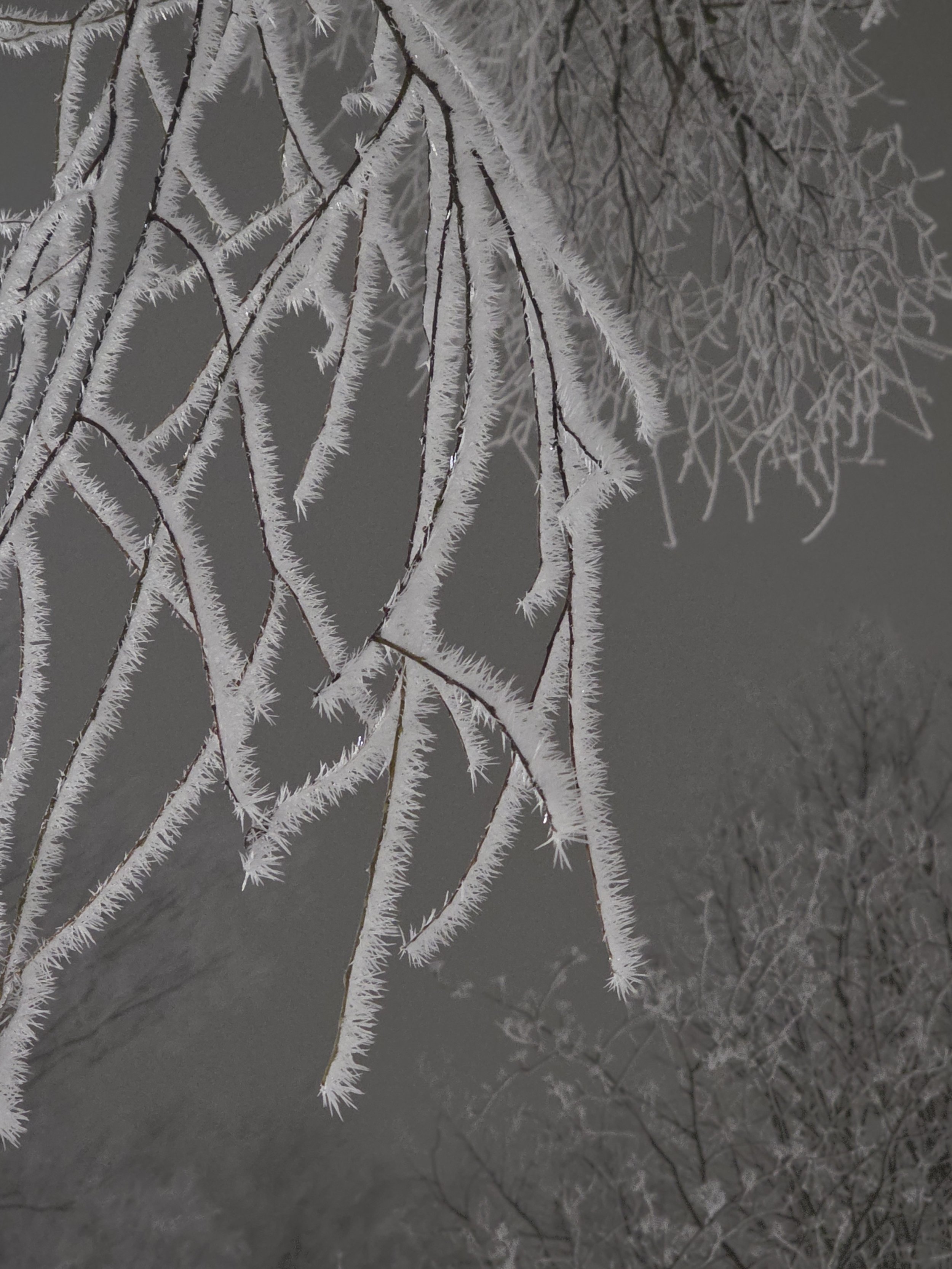
When we think of nature and human wellbeing, we often pay less attention to one season – winter. Besides well-known terms and research on outdoor “green spaces” and “blue spaces”, there has been less attention on “white spaces” or “snow spaces” that are equally beneficial for the health of human beings and the rest of nature.
Typically, in Lithuania winter offers a good snowfall and covers everything in white. Although winter snow can be brutal and destructive, it is also beneficial to humans and the rest of nature.
The rest of nature and snow.
Snow can be really useful to the ways of life to rest of nature. Think about plants covered in snow. Snow protects them from the exposure of the frost as the temperature stays much higher underneath the thick cover. Some wild birds and animals can hide and find shelter in the snow as well. In the Springtime snow melts slower, especially in the forests. The water hydrates the soil leading up to the important vegetation season. Plants also benefit from melted snow as it provides nutrients and nourishes, while rivers, lakes and ponds get replenished after summer drought.
Humans and snow.
How does “snow spaces” impact human wellbeing? Although most research has been conducted in green spaces, several studies showed evidence that there is small difference in emotional and restorative responses to summer or winter conditions. Although in winter time the daylight is short, leaving most working people with dark mornings and evenings while the daylight is mostly spent indoors, it is important to not close-in for this season and find time to engage with nature. There’s lots of evidence how it can be useful for mental and physical health.
Absence of greenery in winter is beneficial.
There has been research questioning how human health is influenced by natural landscapes not dominant by plants or liquid-water. “Green-less” winter landscapes actually have emotional benefits and improve mood. It is argued that bare tree branches of deciduous trees in the winter time have a more positive psychological response in humans providing better restorative effects.
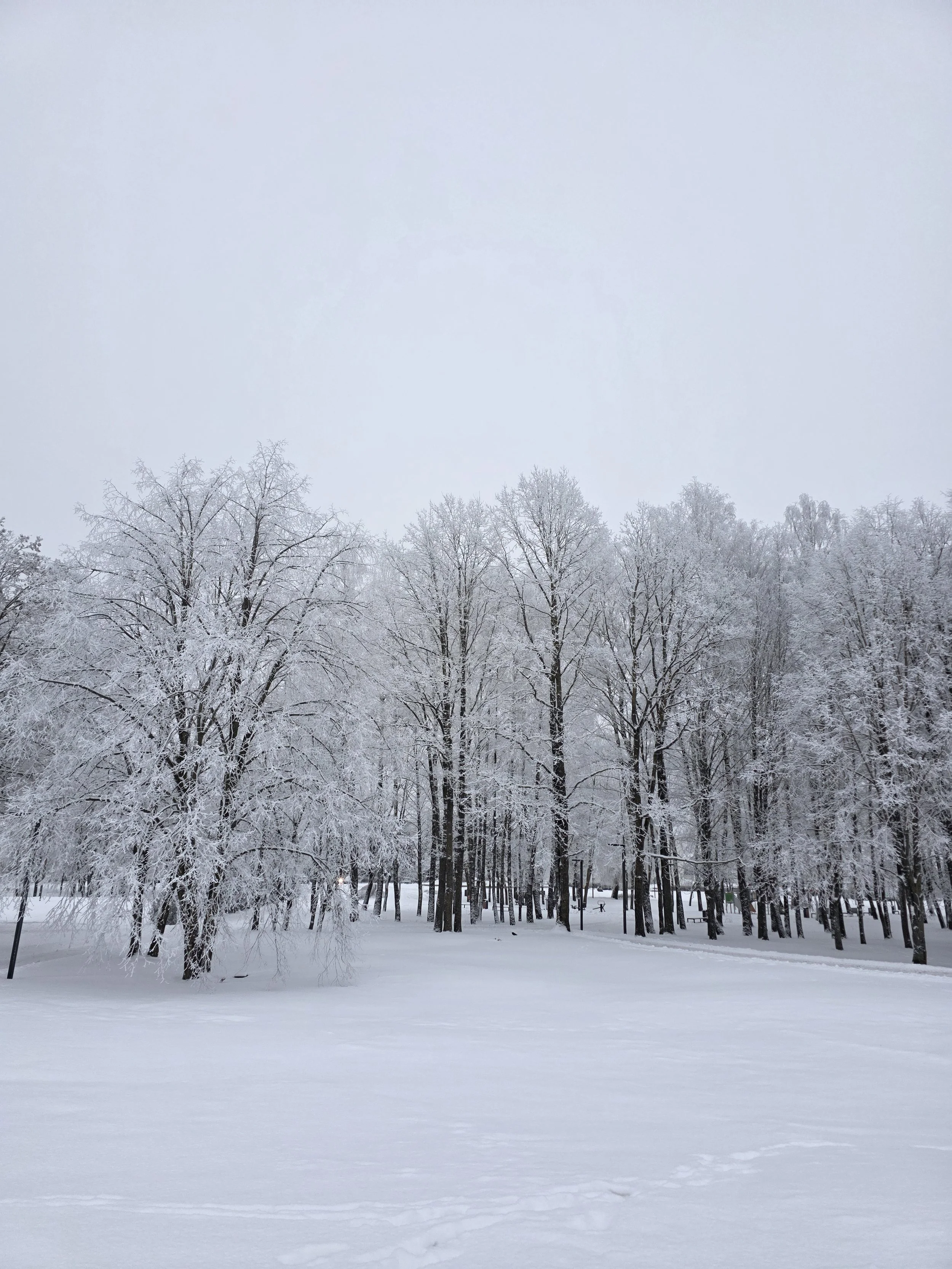
Snow – a therapeutic landscape.
Research suggests that snow filled landscapes have therapeutic potential and the most dominant feeling related to “white spaces” is associated with deep fascination and appreciation. Even though walking in the snow can be physically more challenging, experiencing winter landscapes has shown positive effects on well-being. A study found that 20 min walk in snow-covered landscapes can be an intervention that lowers cortisol levels which creates a stress-reducing effect.
Of course, it is best to choose natural places for a walk in the winter because there is evidence that forests with snow cover have a significant influence on psychological relaxation. Also, snow elements such as forests covered in snow, are a more powerful source of restoration than evergreen plants in the winter time. Snow elements in the cold seasons have the strongest stress recovery benefits because it signifies the feeling of being away from daily routine.
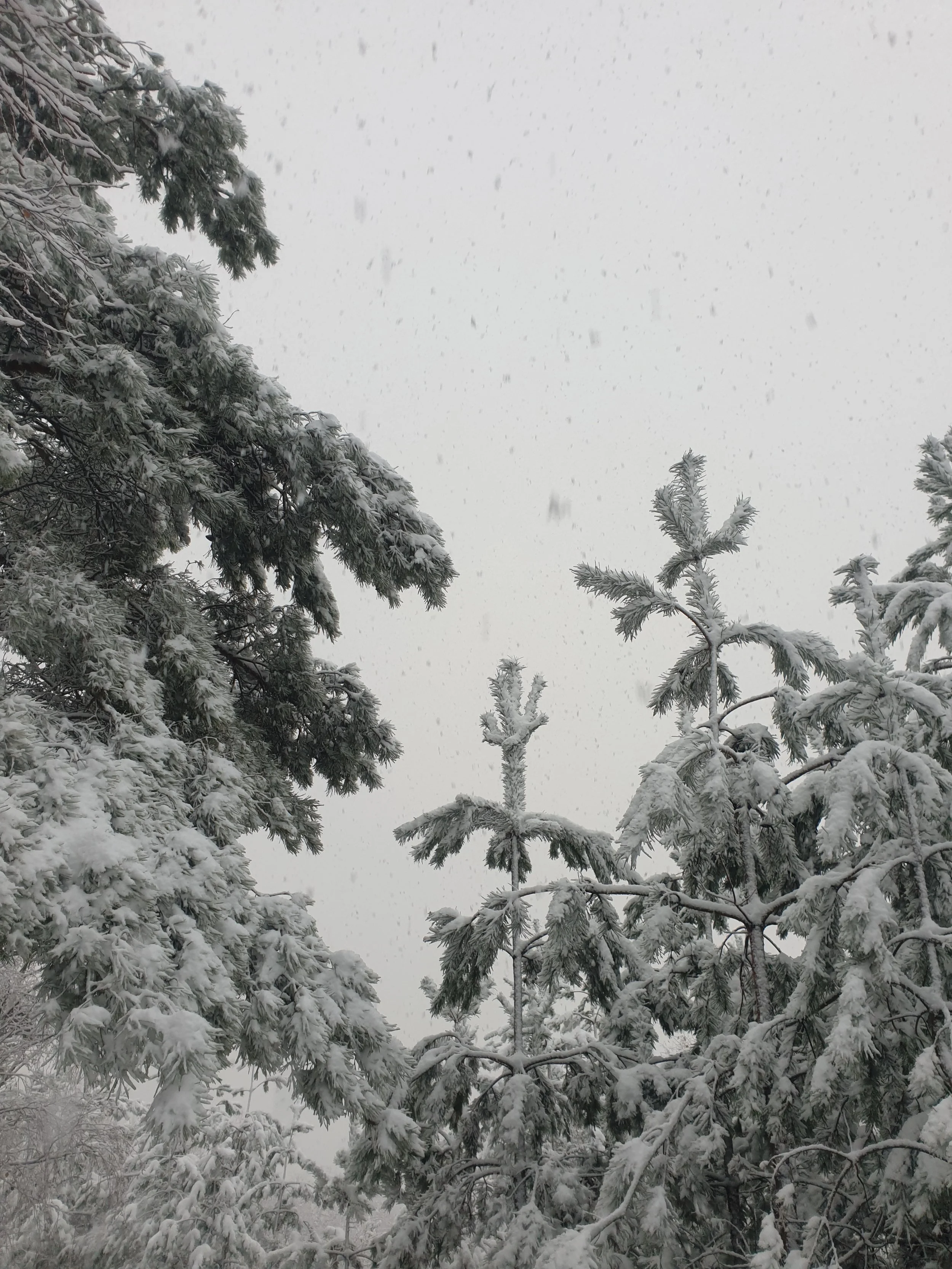
Also, the science of awe suggests that by watching the movement of nature such as falling snow, can activate our appreciation for the beauty of nature and inspire the sense of wonder which can lead to stress relief and relaxation, reduced depressive and anxiety symptoms.
Interestingly, in the winter scenery, forests that have visual signs of heavy management are perceived to be more natural and intact as snow covers the signs of human activities.
Studies also shows that winter forest therapy sessions or forest recreation are also useful practices in experiencing a better psychological state. Noting this can be used by organisations as part of their sustainability agenda and nature connectedness development practical activities.
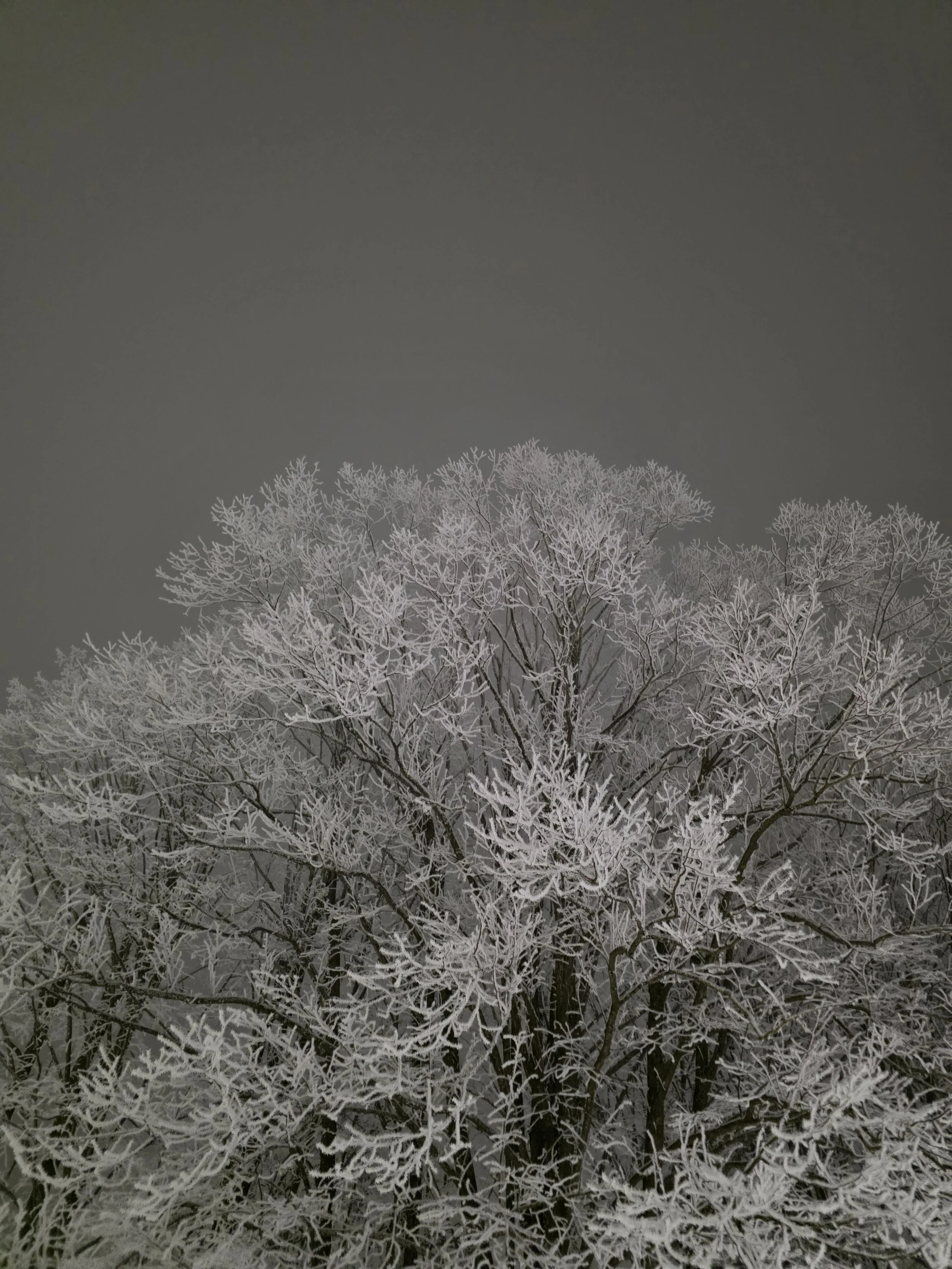
Snow after sunset.
Don’t worry if you didn't have time to go for a walk during your lunch break today. Scientists have proven that even in low-light evening conditions, snowy landscapes still contribute to positive emotions. However, artificial lighting can have an impact. Warm-coloured lighting may provide positive emotions with feelings of pleasantness and enjoyment, while cold hues with blue and green light may increase worry and nervousness.
Learnings and reflections.
Considering “white spaces” from the ecosystem perspective, it raises a question: what do we as humans, can do to help benefit us and the rest of nature? Having the points mentioned in mind, here we can suggest reflecting on sustainable urban planning and landscape design near and around your organisation. Question ourselves, how do we look after ourselves, after the wild animals in the urban areas, after our gardens, our roads, and so on and so on… It is important to note that organisations can improve their organisational design to be more nature connected and benefit human and non-human well-being during the cold season.
We like to mention that Bonethica offers new unique service called – Nature Connected Organisational Design, where we introduce you to the topic of "nature connection" and help develop new design models that would introduce changes in your organisation towards nature connectedness development.
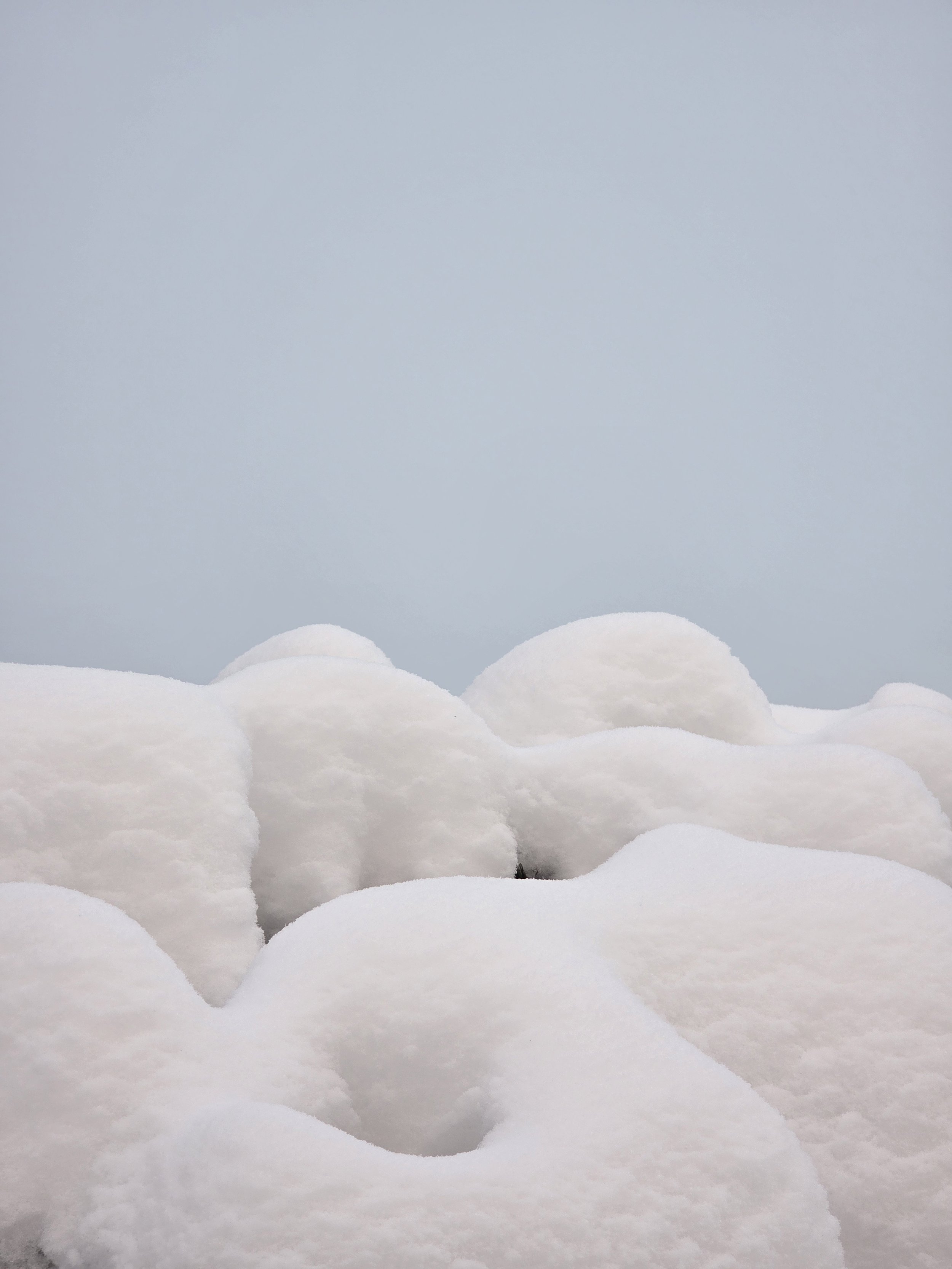
Here are a few practices for recovery in “White Spaces”, suggested by Bonethica.
Observe snowfall through the window (5-10 min)
Make yourself comfortable by the window. Maybe wrap in the blanket or sit in the cushy chair, or simply lean your face in your hands on the table and stare out the window.
Watch the falling snowflakes. At what speed are they falling, in what direction, what is their size? Maybe you can see the ones that have already fallen and observe their shapes? Stay in this practice and feel the soothing effect of this moment.
Breath out. Reflect on what feelings and thoughts you experienced. Maybe, you will want to share your emotions with a colleague or write them down. Then go back to continue your tasks.
Take a mindful snow-walk (15-20 min)
Step outside. Feel the cold temperature in different ways. Maybe through breathing, hands, feet.
Take a look around and go which way you are drawn to walk. Feel your steps, maybe they’re uneven, tense or small. Try to follow someone’s footsteps for a little while. Then, walk freely at your own pace, notice your surroundings, maybe birds, or falling snow.
Slow down and come back to where you started. Stop for a little moment taking the experience in and come back to your workplace.